
The right environment
A location, operating context and participant group relevant to the project's intended application.
LIVING LABS & DEPLOYMENT
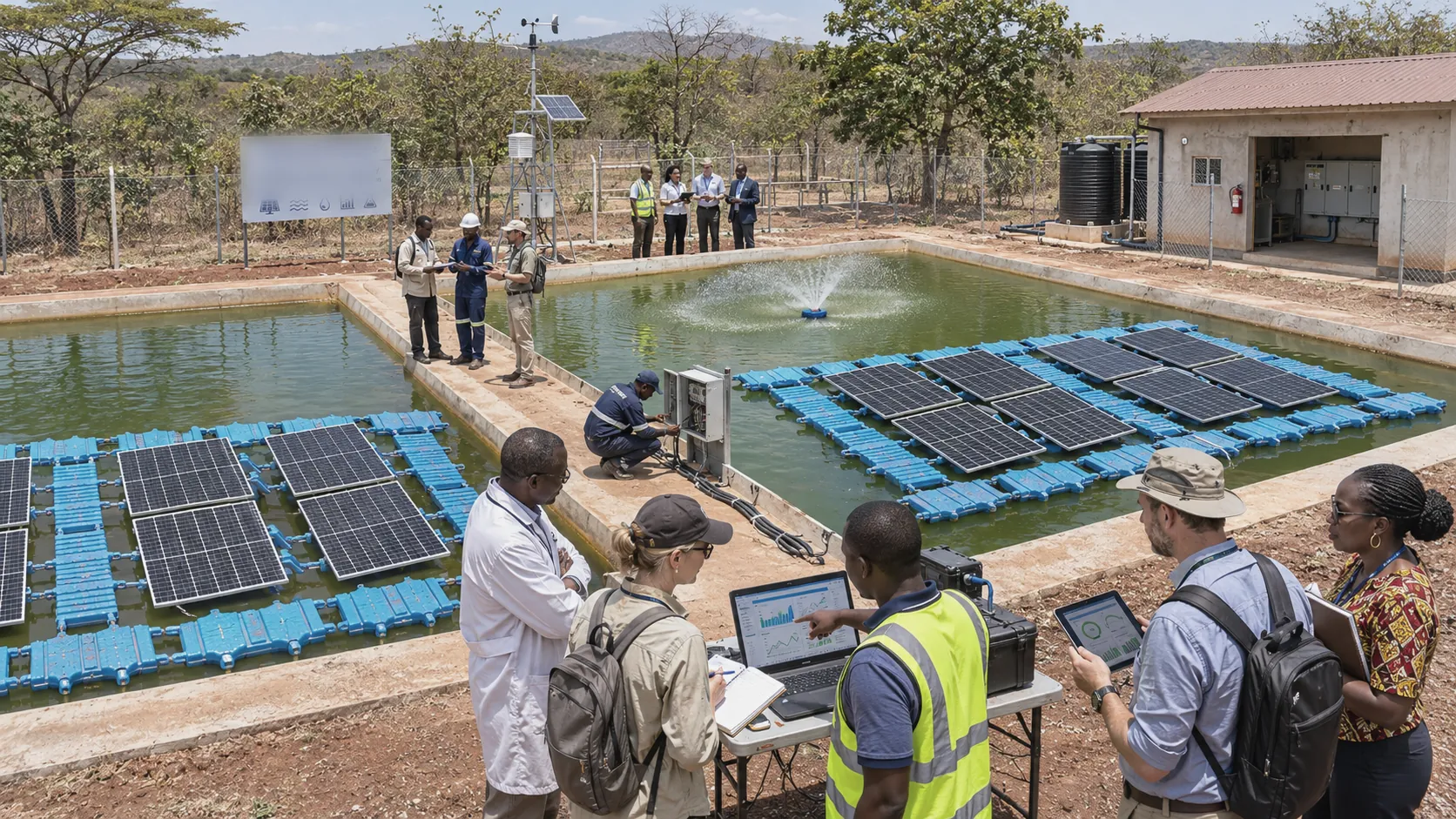
The purpose of a Living Lab is to learn whether an innovation can work with actual users, institutions and constraints—not simply demonstrate that the technology functions in isolation.
THE PILOT PROPOSITION
A credible pilot connects technical testing to a real-world decision: whether a solution should be adopted, changed, procured, scaled or discontinued.
EXPAVIA can develop and manage defined pilot-preparation or implementation assignments, mobilising qualified scientific and technical resources alongside the relevant site owners, regulators and operators.
Each proposed Living Lab must be assessed for suitability and formally organised. It is not an EXPAVIA-owned facility by default.
A PILOT THAT CAN GENERATE USEFUL EVIDENCE
A location, operating context and participant group relevant to the project's intended application.
Site approvals, data access, ethical considerations, regulatory advice and agreed responsibilities as required.
Qualified institutions, operators, project management and practical site-level coordination.
Technical evaluation led by appropriate specialists, with defined objectives, measures and feedback.
Meaningful engagement with African institutions, users and affected stakeholders.
Identify likely owners, customers, procurement requirements or other implementation pathways.
DELIVERY STATUS
We distinguish the project-development work EXPAVIA proposes to undertake from capabilities that a particular consortium or pilot can actually rely upon.
THE ROUTE BEYOND THE GRANT
Depending on the outcome, appropriate next steps can include public adoption, procurement, commercial deployment, licensing, follow-on investment or replication elsewhere.
Establish evidence in context.
Assess adoption and feasibility.
Prepare the appropriate pathway.
Expand only when justified.
A grant award does not itself demonstrate project viability. Not every R&I assignment requires a Living Lab, private investment or an SPV: contracted research, dissemination, training and project-management deliverables may be valuable outcomes in their own right.
PARTNER WITH EXPAVIA R&D
Discuss the African users, sites, local partners and adoption questions that would make your proposed pilot credible.
Discuss a Pilot Requirement